
-
André Fenton, professor of neural science at New York University, investigates the molecular, neural, behavioral, and computational aspects of memory. He studies how brains store experiences as memories, how they learn to learn, and how knowing activates relevant information without activating what is irrelevant. His investigations and understanding integrates across levels of biological organization, his research uses genetic, molecular, electrophysiological, imaging, behavioral, engineering, and theoretical methods. This computational psychiatry research is helping to elucidate and understand mental dysfunction in diverse conditions like schizophrenia, autism, and depression. André founded Bio-Signal Group Corp., which commercialized an FDA-approved portable, wireless, and easy-to-use platform for recording EEGs in novel medical applications. André implemented a CPAP-Oxygen helmet treatment for COVID-19 in Nigeria and other LMICs and founded Med2.0 to use information technology for the patient-centric coordination of behavioral health services that is desperately needed to equitably deliver care for mental health. André is an active science communicator. You can find him on National Geographic, Netflix, Nova, and numerous web series, discussing how science, data and analytics are being used to discover the wonders of the natural world and mind, as well as solve some of humanity’s serious problems.
Meet the Team
The Neurobiology of Cognition Laboratory: Knowing is our business
-
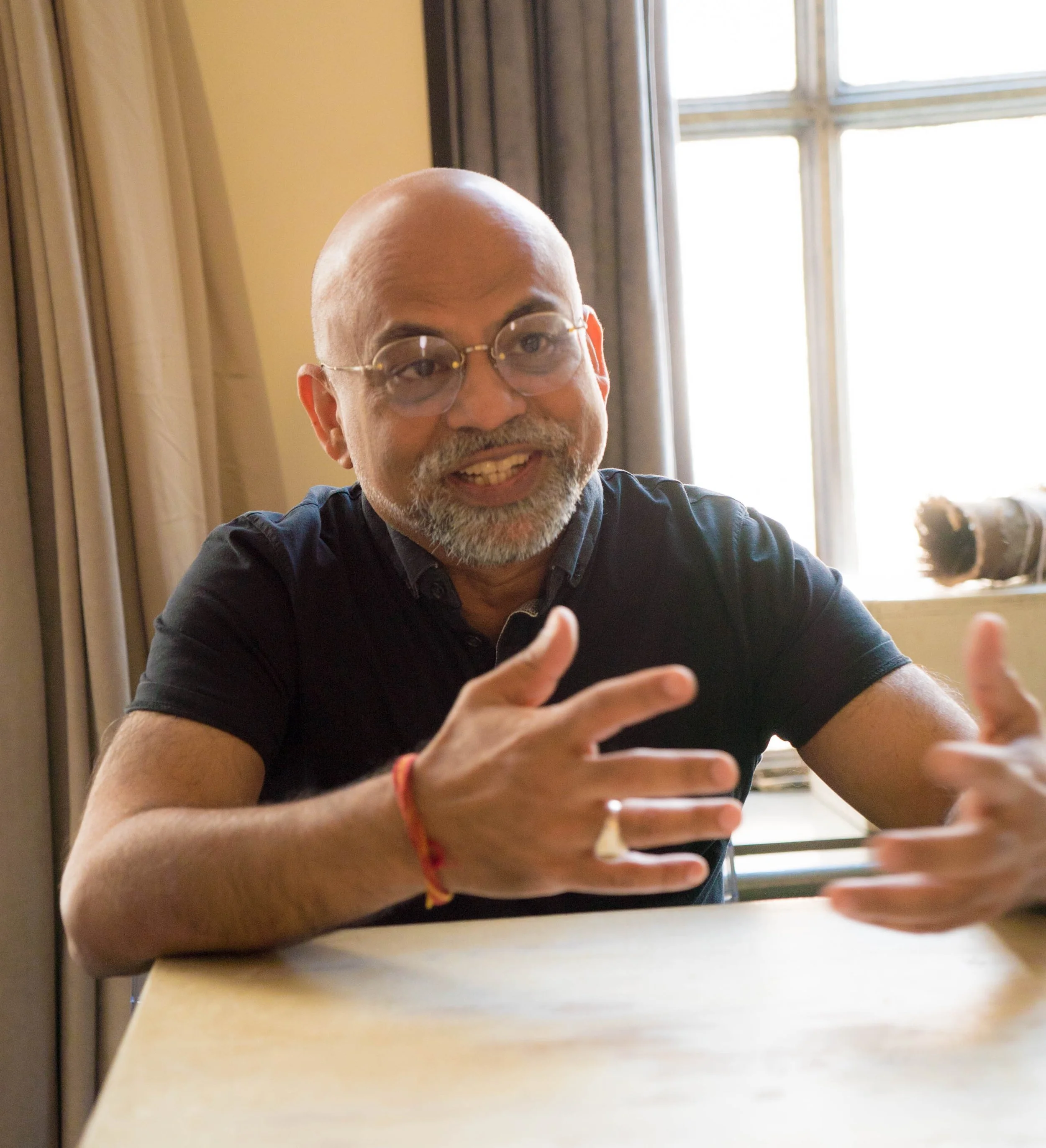
An educator, an inventor as well as a mentor to technologists, entrepreneurs and scientists. Prof. Bud Mishra founded the NYU/Courant Bioinformatics Group, a multi-disciplinary group working on research at the interface of computer science, applied mathematics, biology, neuroscience, biomedicine and bio/nano-technologies.
Prof. Mishra has industrial experience in Computer and Data Science (aiNexusLab, ATTAP, behold.ai, brainiad, Genesis Media, Pypestream, and Tartan Laboratories), Finance (Instadat, Pattern Recognition Fund and Tudor Investment), Robotics and Bio- and Nanotechnologies (Abraxis, Bioarrays, InSilico, Evizia, OpGen and Seqster).
Prof. Mishra is currently a professor of computer science and mathematics at NYU’s Courant Institute of Mathematical Sciences, professor of engineering at NYUs Tandon School of engineering, professor of human genetics at MSSM Mt. Sinai School of Medicine, visiting scholar in quantitative biology at CSHL Cold Spring Harbor Laboratory and a professor of cell biology at NYU SoM School of Medicine.
Prof. Mishra has a degree in Science from Utkal University, in Electronics and Communication Engineering from IIT, Kharagpur, and MS and PhD degrees in Computer Science from Carnegie-Mellon University. He is a fellow of IEEE, ACM and AAAS, a fellow of National Academy of Inventors (NAI), a Distinguished Alumnus of IIT (Kharagpur), and a NYSTAR Distinguished Pro- fessor.
bud.mishra@gmail.com
https://rxcovea.org/journalclub
-
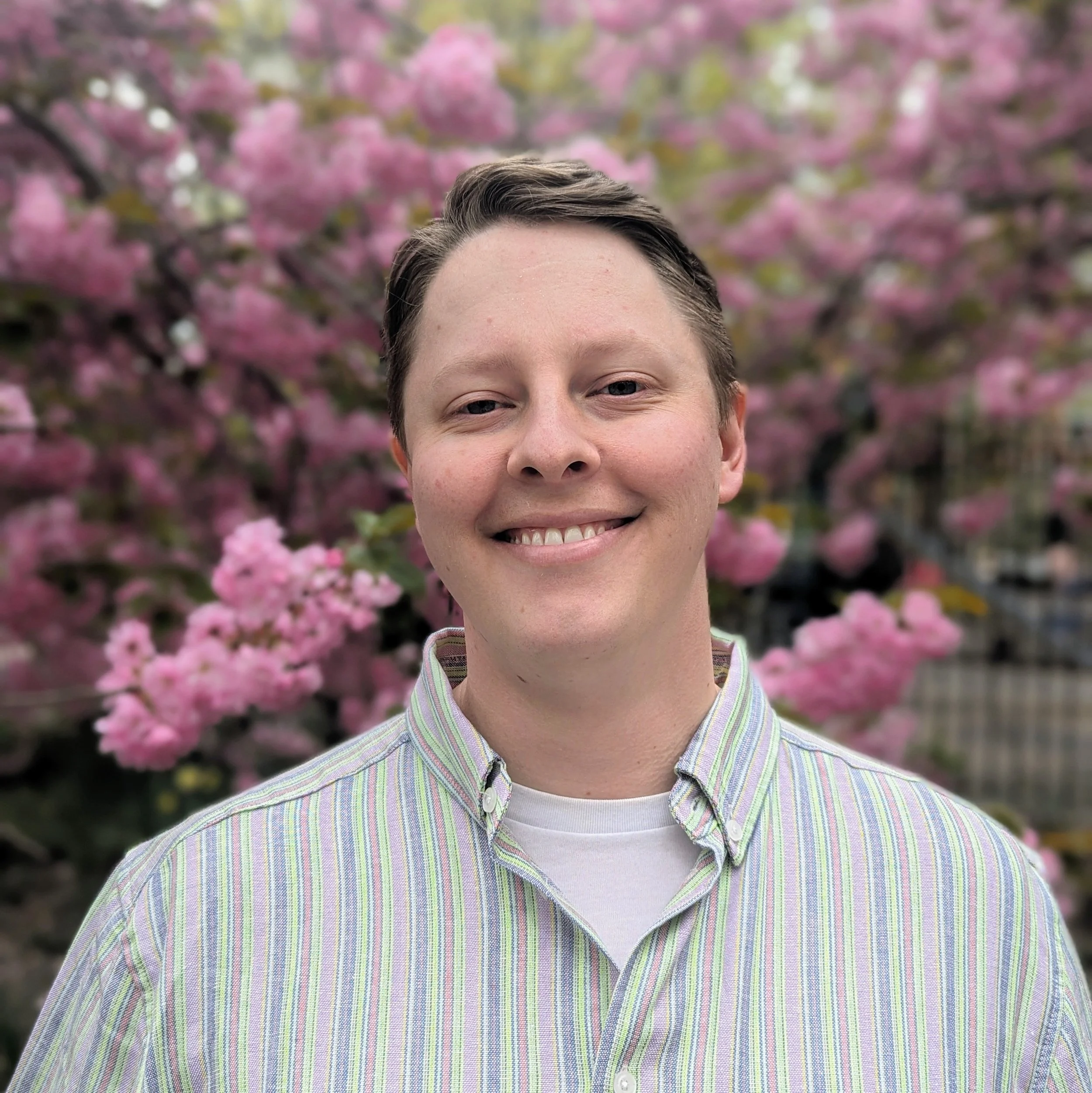
I received my PhD from UCLA, where I studied how aversive learning affects hippocampal representations within an environment. My current research focuses on how populations of neurons within the hippocampus contribute to learning and memory, and how this activity is coordinated with other cortical regions.
-
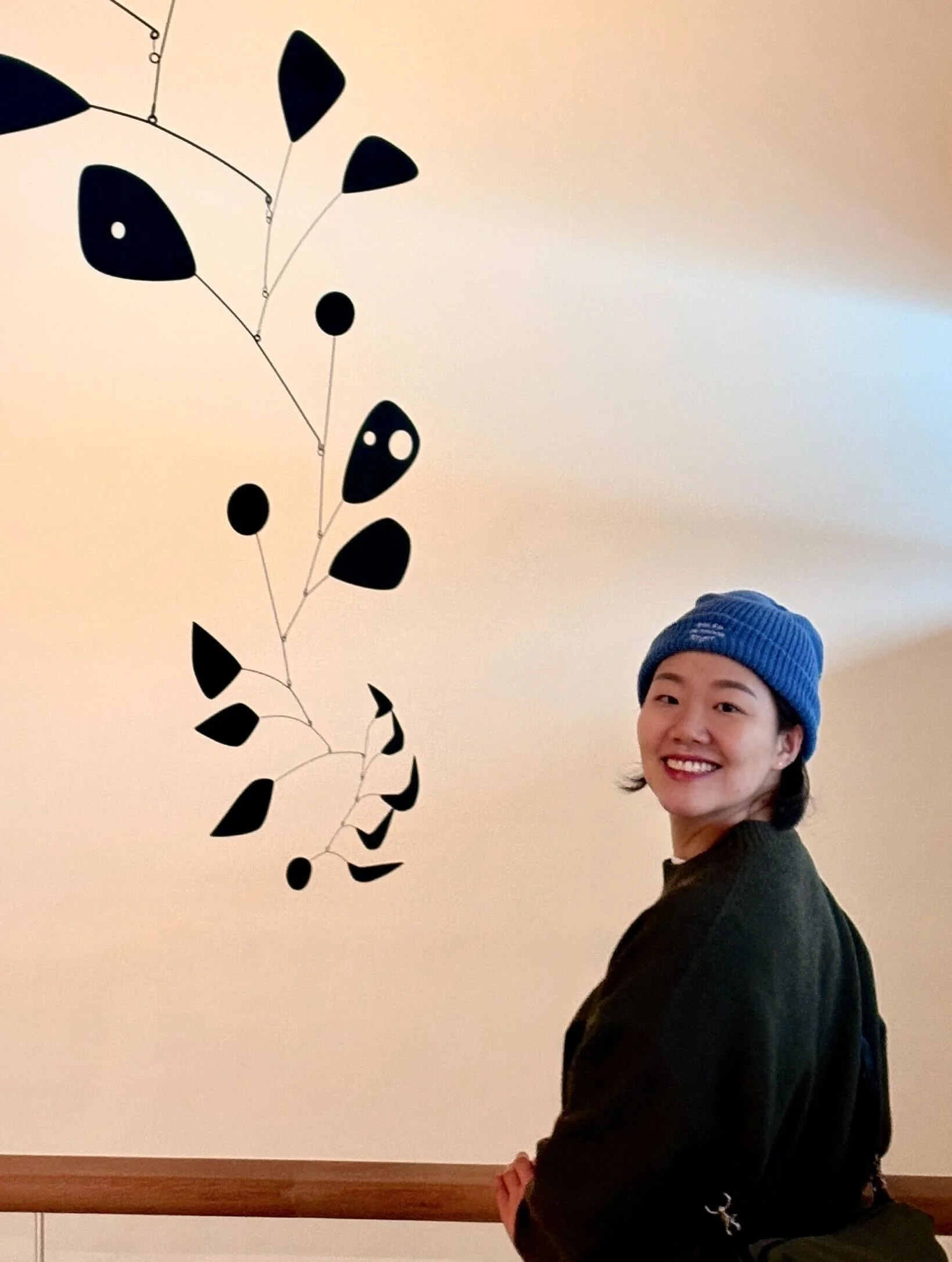
Jiyeon is trained in bioinformatics, developing machine learning models for drug effect prediction and analyzing RNA sequencing data of experimental models. She is co-appointed in Physics, and jointly mentored by Stefano Martiniani. Jiyeon is developing analytical concepts, analysis pipelines, and machine learning models to conceptualize and detect ‘molecular manifolds’ that are crucial for maintaining synaptic changes and memory. Molecular manifolds are the medium/low-dimensional interactions amongst the 10e3 molecules within cells.
-
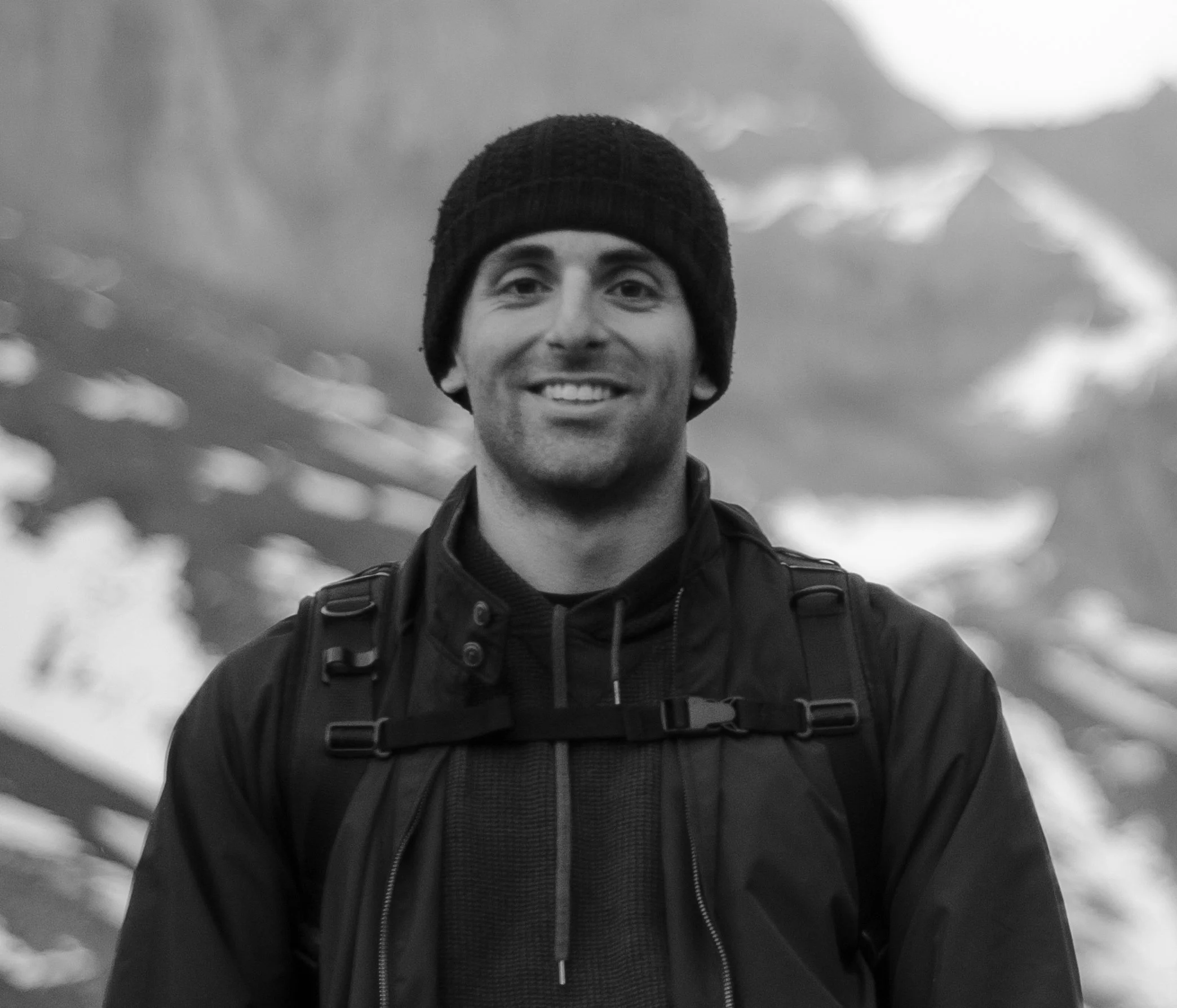
I completed my PhD at Mount Sinai where I studied how the brain integrates and segregates memories separated across days. I am now interested in the structure and regulation of sleep, and in particular in the idea of local sleep--that is, that individual areas of the brain can display electrophysiological features of sleep independently of the rest of the brain. I am using state-of-the-art electrophysiological recording tools, engineering solutions to record electrophysiology broadly across the mouse brain, and combining these electrophysiology tools with calcium imaging, chemogenetics, optogenetics, and behavioral assays in freely behaving mice to observe and perturb neuronal dynamics to investigate how sleep is structured in space and time across the mouse brain. Separately, I am interested in how the brain maintains stable memories for weeks to months. To that end, I am studying the role of long-term synaptic plasticity in the long-term maintenance of memories, using a combination of inducible and conditional genetic modifications of synaptic plasticity along with in vivo calcium imaging and behavior in freely behaving mice.
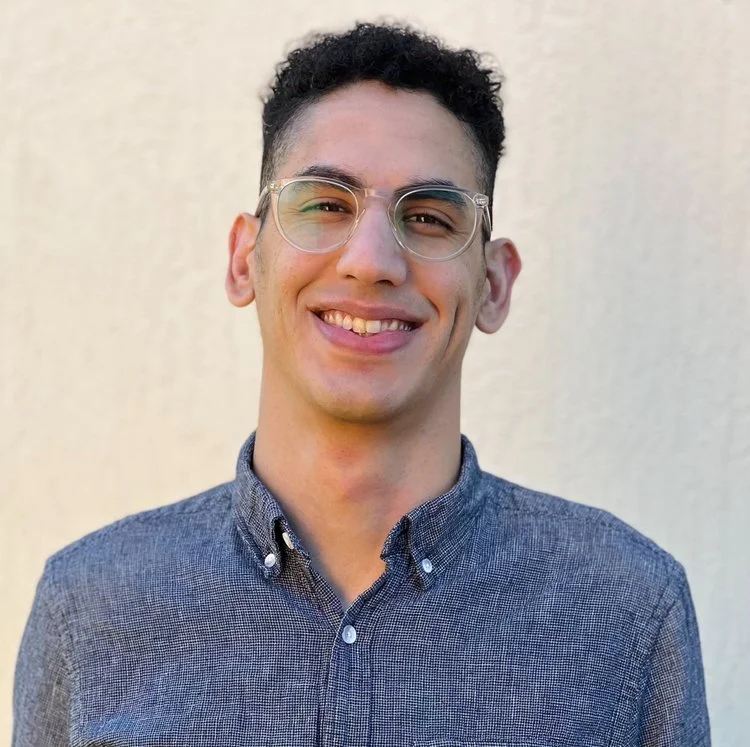
-
I am interested in studying the emergence and transformation of informative representations in the hippocampus. Currently, I’m exploring the trade offs between population-level dynamics and local agent-based interactions using artificial neural networks with biologically plausible learning rules and constraints.

-
Andy is interested in understanding the fundamental basis of a memory. His research utilizes rodent memory related behavior alongside perturbations on a molecular, cellular, and physiological level to critically test the synaptic plasticity and memory hypothesis in vivo.
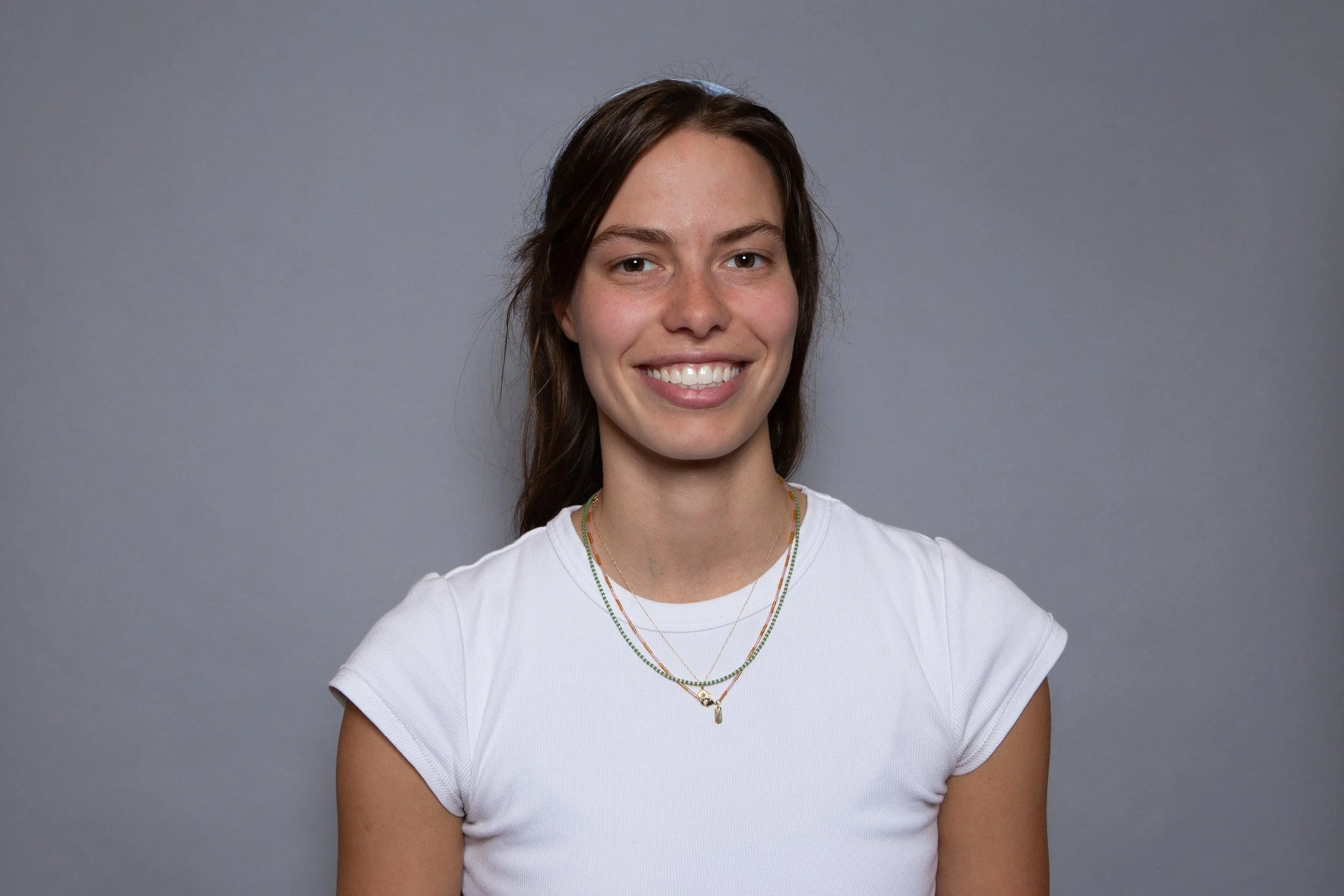
-
Hannah is a Neural Science Ph.D. student at NYU. She joined the lab in 2025.
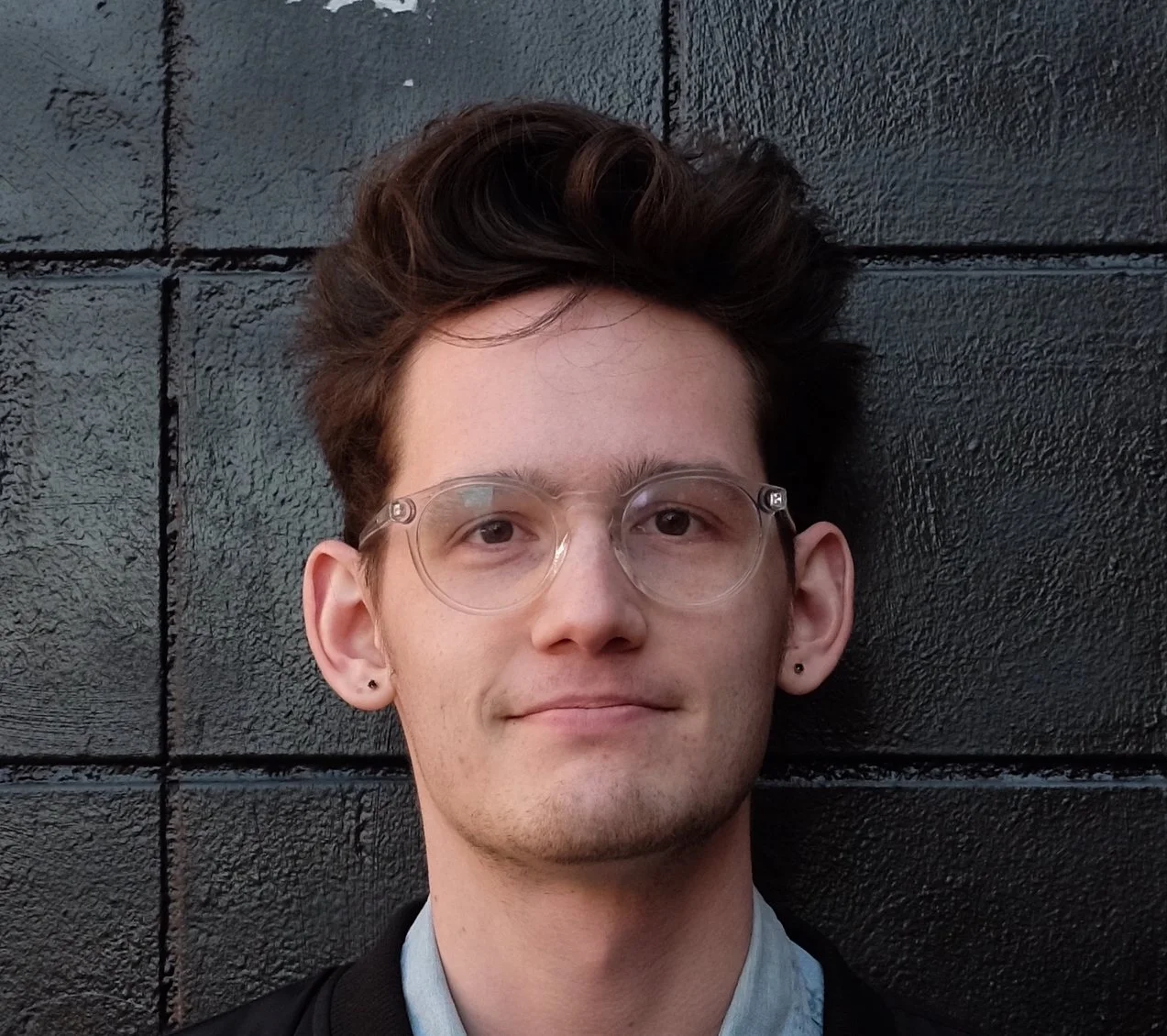
-
My undergraduate in physics and philosophy focused on problems of state estimation and control in robots and animals. Previously I worked in the Cowan lab (JHU), the Poggio lab (MIT), and SAIVA AI, applying machine learning to medical records to predict health emergencies in real time. I am interested in how neuronal computation creates subjective experience, like our sense of space and time, and basic manipulations of brain function that can improve experience, like ketamine therapy for treating depression.
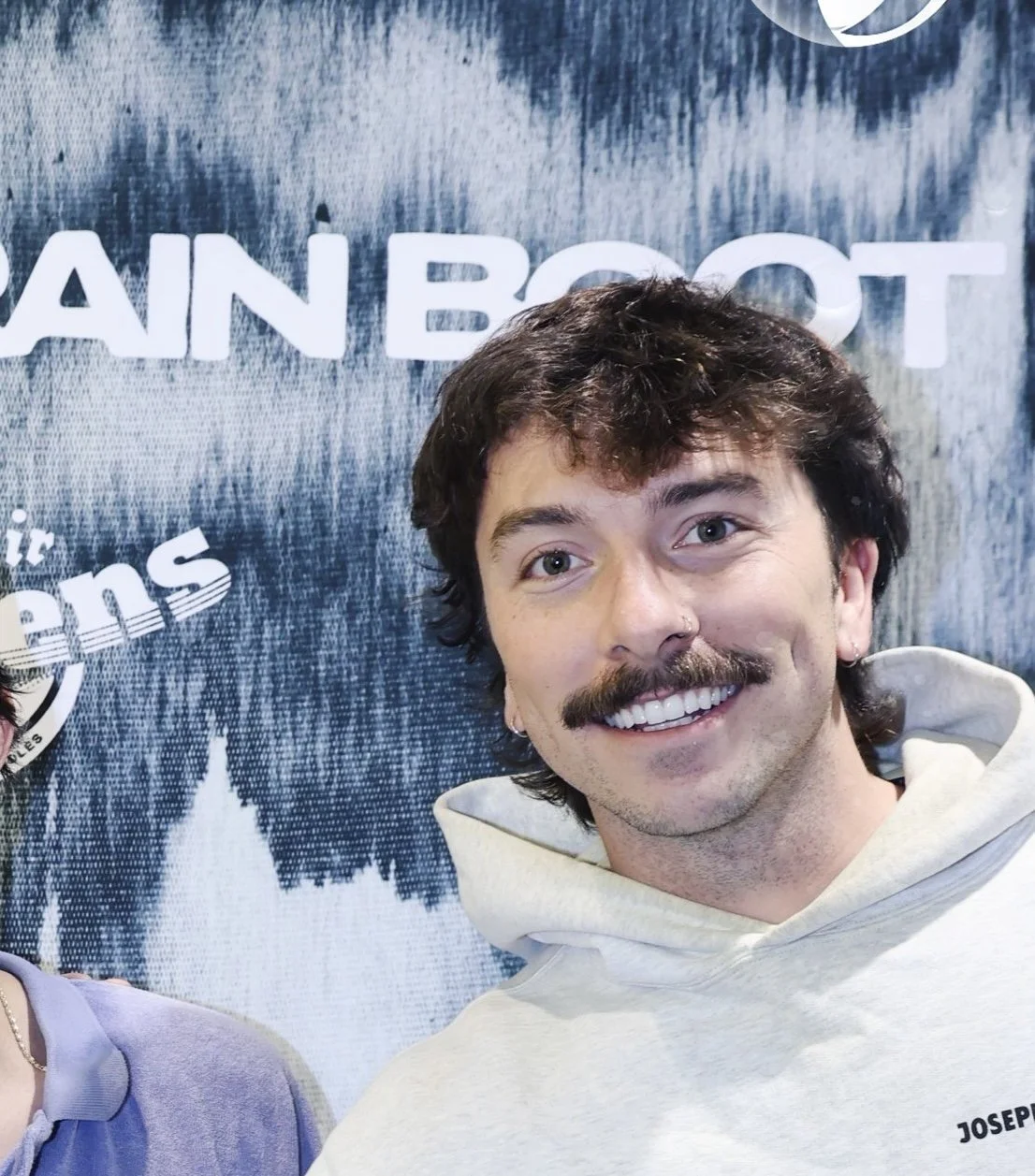
-
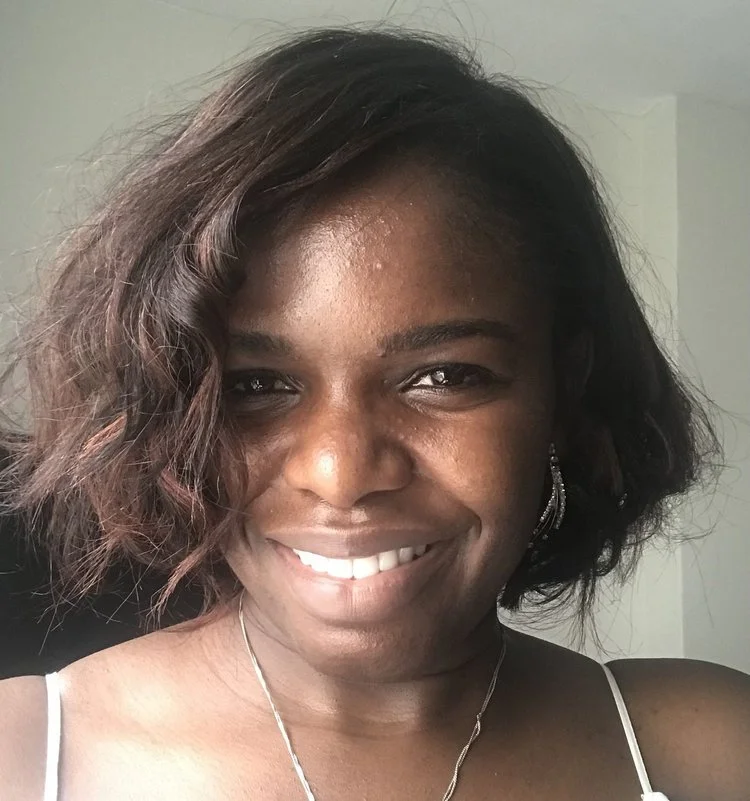
I investigate different components involved in the maintenance of long-term memory within the hippocampus by integrating targeted molecular perturbations with spatial behavioral tasks.
-
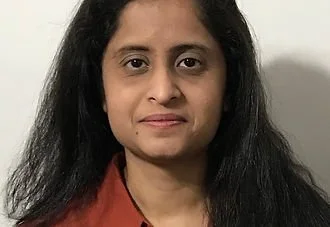
My interests are in cognitive functions (e.g. memory) and further discerning their underlying neural and behavioral processes.
-
Description text goes here
Past Members
-

Ain Chung Ph.D.
Currently Assistant Professor, KAIST, Korea (former postdoc in Amar Sahay’s lab, Harvard University)
-
Basma Radwan Ph.D.
Currently Finance Consultant, NYC (former postdoc in Dipesh Chaudhury's lab at NYU Abu Dhabi)
-
Benjamin Lee M.D., Ph.D.
Neurologist, University of Pittsburgh Center of Clinical Neurophysiology (former Neurology Resident, Massachusetts General Hospital, Boston)
-
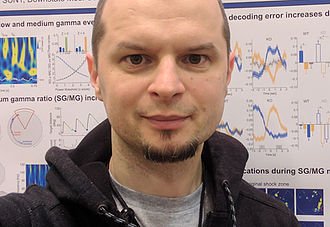
Dino Dvorak Ph.D.
Currently Senior Director, Translational Biomarkers at Gilgamesh Pharma
-
Edith Lesburgueres Ph.D.
Currently Senior Management Consultant (former postdoc with Lisa Roux at The Institute for Interdisciplinary Neuroscience, Bordeaux, France)
-

Eduard Kelemen Ph.D.
Currently Research Scientist at the National Institute of Health in Prague, Czech Republic (former postdoc in Jan Born’s lab, University of Tüebingen)
-
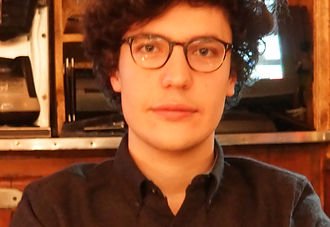
Eliott Levy Ph.D.
Currently a consultant, McKinsey & Company
-

Emma Wallace M.D., Ph.D.
Currently Vascular Neurologist, NYU Langone Hospitals (former Neurology Resident, Albert Einstein College of Medicine)
-

Fraser T. Sparks Ph.D.
Currently Principal Scientist at Regeneron (former postdoc in Attila Losonczy’slab at Columbia University)
-
Heekyung Lee Ph.D.
Currently postdoctoral scientist, University of Maryland, School of Pharmacy (former postdoc in Kim Knierim's lab at Johns Hopkins University)
-
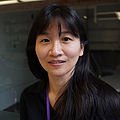
Hsin-Yi Kao Ph.D.
former postdoc in Yu Wang's lab at Department of Neurology, University of Michigan
-

Kally O'Reilly Sparks Ph.D.
Currently Assistant Professor of Clinical Neurobiology (in Psychiatry) at Columbia University. You can find her here.
-

Katerina Seltenreichova M.D., Ph.D.
Currently at the Department of Neurology, Na Homolce Hospital, Prague, Czech Republic
-

Milenna van Dijk Ph.D.
Currently Assistant Professor of Neurobiology (in Psychiatry) (former postdoc with Myrna Weissman and Ardesheer Talati at the Department of Psychiatry, Columbia University). You can find her here
-

Zoe N. Talbot M.S.
Data Scientist, NYC
-

EunHye Park PhD.
Research Scientist , NYU Heeger lab
-
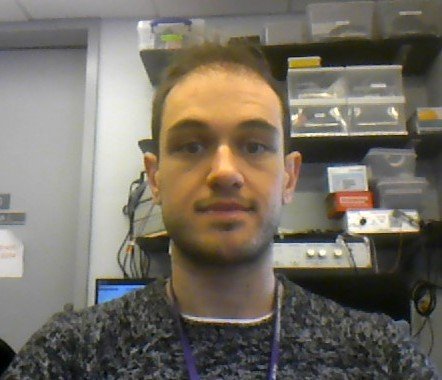
Alejandro Grau Perales PhD.
Post Doc, Mount Sinai , NYC
-
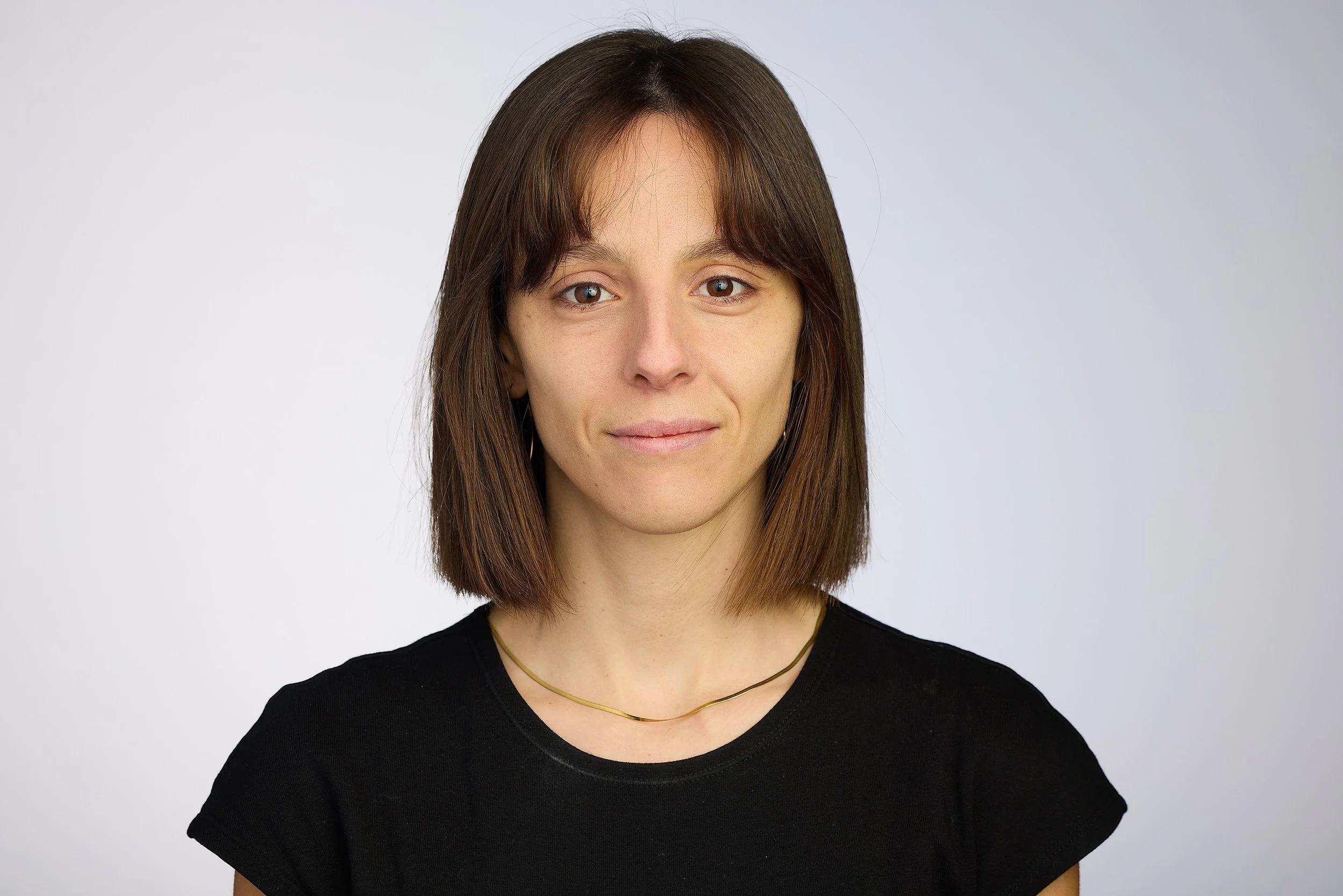
Claudia Jou, PhD in Psychology
Currently at Icahn School of Medicine at Mount Sinai
-
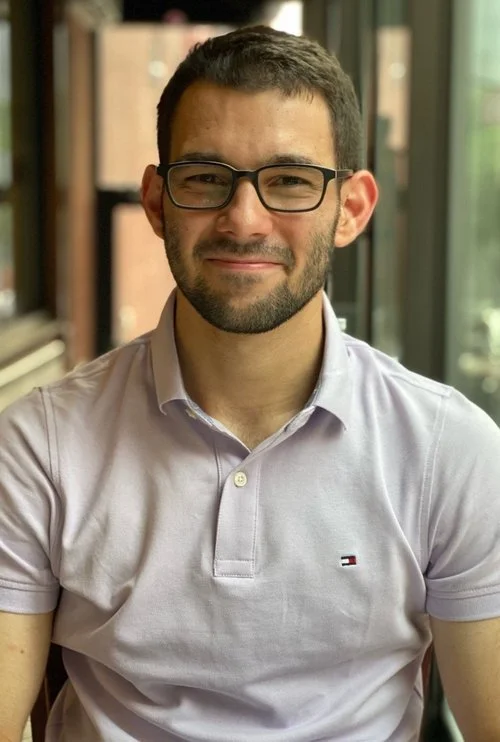
Simón Carrillo Segura
-
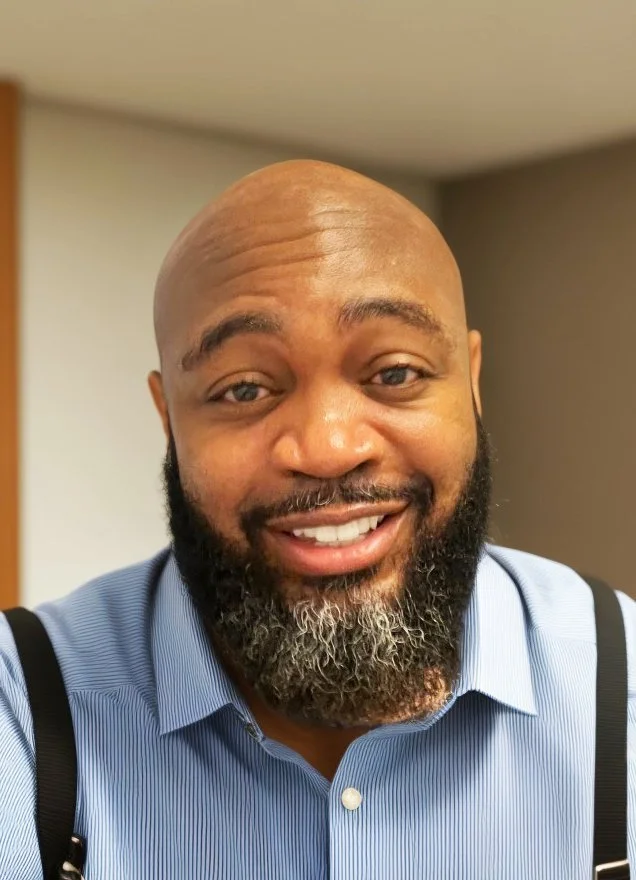
Darryl Watkins, Ph.D.